
The life cycle of a woman
Women visit their pharmacist more often than any other healthcare provider.
 They trust and consult them for any kind of question or problem they may face. We will refer to three challenging periods in a woman’s life — Adolescence, Pregnancy, and Menopause — each with its own particularities, as well as the role a pharmacist can play during each stage.
Adolescence
A period of questioning and upheaval, for which neither teenagers nor parents are ever truly prepared. What is the pharmacist’s role during one of the most difficult stages of a woman’s life? Informative and advisory.
We will mainly focus on contraceptive methods, where unfortunately, information — even from specialists — is not always accurate, while various misconceptions create confusion among those directly concerned. Pharmacists must ensure that teenage girls receive the necessary information about the use, benefits, risks, and side effects of each contraceptive method so that the choice made is the most suitable.
The available contraceptive methods can be classified in many ways:
- Traditional and natural methods: withdrawal, post-coital douching, lactational amenorrhea, rhythm method.
- Barrier methods: male and female condoms, diaphragms, cervical caps, contraceptive sponges, spermicides.
- Hormonal methods: contraceptive pills, injections, long-acting implants.
- Other: intrauterine device (IUD), sterilization.
The condom is the most widespread barrier method worldwide. It is impermeable to sperm, bacteria, and viruses that cause sexually transmitted diseases and AIDS. Its failure rate ranges from 2% to 15%. Other barrier methods show a failure rate of 10%–20%.
Contraceptive pills combine synthetic steroids similar to the natural female hormones estrogen and progesterone. These prevent ovulation and provide contraception.
They reduce the risk of endometrial and ovarian cancer. Other benefits include reduced menstrual bleeding and cramps, lower risk of iron deficiency anemia and acne, and improvement in hirsutism and symptomatic endometriosis.
The increased risk of myocardial infarction applies mainly to older women who smoke. Their association with breast cancer is still under study. Their failure rate is less than 1%. Side effects include nausea, breast tenderness, and spotting.
They should not be given to women with liver disease, obesity, a history of thrombosis, or a family history of strokes. The pharmacist should take time to explain how to start treatment, possible side effects, and what to do if a pill is missed. Useful information is also found in the medication leaflet.
Emergency contraception: This provides women with a safe and effective way to prevent unwanted pregnancy after unprotected sex or contraceptive failure. It should only be used in emergencies. Multiple use within the same menstrual cycle can disrupt it and cause irregularities. The pills contain synthetic hormones, also known as the “morning-after pill.” They are effective only if taken within 72 hours (3 days) after intercourse, with efficacy being higher the sooner they are taken.
Pregnancy
It is important to remember that medications given to the mother during pregnancy also affect the fetus and may cause congenital abnormalities. The older belief that the placenta is an effective barrier has been disproven. Damage can occur at any stage of embryonic development. In fact, in the first two weeks after conception, drug exposure can be devastating, leading to miscarriage.
Many drugs considered safe for adults are not always safe for the fetus. Some, like anticoagulants, may cause bleeding, while others, like corticosteroids or theophylline, may benefit the newborn when given to the mother. As a rule, all medications should be avoided during pregnancy. Since organogenesis is completed by the 12th week, drug use before this period can cause malformations. Later use may not cause structural problems but may affect fetal growth.
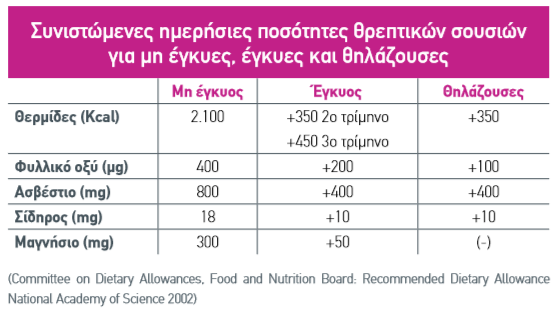
Dietary supplements during pregnancy are a debated topic. Some argue they are unnecessary with a balanced diet, while others insist they are essential. Generally, there is consensus that folic acid, iron, and calcium should be given. The 15% increase in metabolism during the 2nd and 3rd trimester further supports this.
- Folic acid: vital for the fetal nervous system, especially in the 1st trimester. Standard recommendation: 400 mg daily, starting 4 weeks before conception and continuing through the first 3 months.
- Iron: essential during pregnancy. Daily needs increase beyond what diet alone can cover. Recommended: 30–60 mg daily after the 16th week, up to 100 mg in multiple pregnancies or low hemoglobin (<10 mg/dl). Avoid taking with calcium and antacids, as they reduce absorption.
- Calcium: mainly for fetal bone development. Recommended intake during pregnancy: 1,200 mg daily (about 400 mg more than usual needs).
Sotirios Trompoukis
Obstetrician - Gynecologist
www.sotiristrompoukis.gr
(Source: Panhellenic Pharmaceutical Association)
The article