
Polycystic ovaries: How to reverse the infertility they cause
Polycystic Ovary Syndrome (PCOS) is one of the most common gynecological hormonal disorders. It is estimated that about one in ten women of reproductive age suffers from the syndrome.
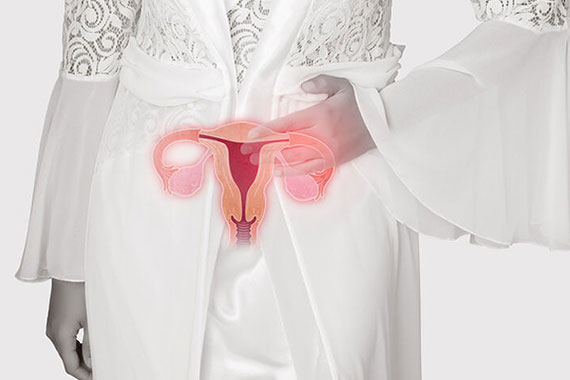 Symptoms usually appear during adolescence and include: irregular periods, excessive hair growth on the face and body, acne, oily skin, dandruff, obesity (abdominal fat), pelvic pain, and infertility.
Women with PCOS have increased androgen production. This hormonal imbalance interferes with regular ovulation, leading to the presence of multiple follicles that do not mature.
On ultrasound, the ovaries appear enlarged, with a thicker wall (core) and many small cysts (unruptured follicles). The failure of the follicle to rupture results in the inability to produce an egg, rendering the woman infertile.
The first step in treating PCOS is lifestyle modification.
Women should follow a healthy diet and exercise regularly. Studies have shown that a diet low in carbohydrates and with a low glycemic index benefits patients with PCOS, while it is recommended that women exercise at least 30 minutes, three times per week, with daily exercise being the ultimate goal.
Women who continue to experience rare ovulation despite lifestyle changes will need medication to help release the egg from the ovary.
For some women with PCOS, oral treatments do not result in ovulation or pregnancy, and injectable medications become necessary to stimulate egg release. These injections contain the same hormone that the brain secretes to trigger egg production in the ovaries. Most women undergoing this treatment will achieve the release of two or more eggs. This therapy requires closer monitoring with vaginal ultrasounds and blood tests to determine estradiol levels, a hormone produced in the ovaries. These injections have been associated with an increased likelihood of multiple pregnancies.
Additionally, PCOS is often characterized by insulin resistance, which can contribute to heart disease, diabetes, and high cholesterol. If there are signs of insulin resistance, medication is necessary, always in combination with fertility drugs.
In some cases, women with PCOS must undergo in vitro fertilization (IVF) to achieve pregnancy.
In such cases, daily injections are required to stimulate the ovaries to produce multiple eggs, which are collected under anesthesia. The eggs are fertilized in the laboratory, and the resulting embryo is placed in the woman’s uterus after 2 to 5 days of development. Furthermore, fertilized eggs can be frozen (cryopreserved) for future use.
Sotirios Trompoukis
Obstetrician – Gynecologist
www.sotiristrompoukis.gr
(Source: onmed.gr)